Watch Next

Inspiring Social Change with Inner Peace

Prasad Kaipa • 23:33 mins

Empowering Rural India's ChangeMakers

Ranjani Saigal • 20:09 mins

Change Making: Scale and Impact

Ratnam Chitturi • 24:44 mins

Heartfulness Meditation: Essentials

Naren Kini • 19:23 mins

TALHospitals: Bridging Healthcare Gaps

Kishore Gadiraju • 16:34 mins

An Abundance Approach to Economic Mobility

Ruthe Farmer •  18:19 mins
Summary

The video highlights the impactful work of Ruthe Farmer and the Last Mile Education Fund, an initiative aimed at supporting economically disadvantaged students pursuing degrees in technology and engineering. The central theme revolves around inclusivity and the urgent need to address the financial and social barriers that prevent talented individuals from succeeding in STEM fields.


The reader can learn about innovative support models for marginalized students, and how investing in their success can yield significant societal returns. This content is suitable for educators, policymakers, and anyone interested in promoting diversity in the technology and engineering sectors.


Timeline Summary
  • 00:00 – 02:45: Introduction & Achievements of Ruth Farmer
  • 02:46 – 05:12: Career Paths of Students Supported
  • 05:13 – 07:06: Financial Barriers Faced by Students
  • 07:07 – 09:58: The Investment in Future Talent
  • 09:59 – 12:21: Systemic Challenges in Higher Education
  • 12:22 – 14:34: Impact and Call for Action
  • 14:35 – 17:59: Rethinking Talent Acquisition

Key Points
  • Recognition: Ruthe Farmer has received notable accolades for her contributions to technology inclusion.
  • Last Mile Education Fund: Focuses on a holistic approach to support economically disadvantaged students in technology and engineering.
  • Success Stories: Highlights successful transformations of students who overcame significant social and financial barriers.
  • Economic Argument: Investing in low-income students yields substantial returns for society.
  • Systemic Change: Calls for a reevaluation of hiring practices in the tech industry to foster inclusivity and equal opportunity.

Conclusion

The video underscores the necessity of addressing financial insecurities faced by students in STEM fields to foster a diverse and inclusive technological future. It advocates for an abundance mindset, encouraging investment in economically disadvantaged talent to unlock their potential.


The final recommendation is for viewers to actively engage in supporting initiatives like the Last Mile Education Fund and reconsider how they assess talent in their professional environments. Next steps include exploring ways to contribute to such initiatives and re-evaluating hiring practices to prioritize diverse experiences and resilience.


Summary

The video highlights the impactful work of Ruthe Farmer and the Last Mile Education Fund, an initiative aimed at supporting economically disadvantaged students pursuing degrees in technology and engineering. The central theme revolves around inclusivity and the urgent need to address the financial and social barriers that prevent talented individuals from succeeding in STEM fields.


The reader can learn about innovative support models for marginalized students, and how investing in their success can yield significant societal returns. This content is suitable for educators, policymakers, and anyone interested in promoting diversity in the technology and engineering sectors.


Timeline Summary
  • 00:00 – 02:45: Introduction & Achievements of Ruth Farmer
  • 02:46 – 05:12: Career Paths of Students Supported
  • 05:13 – 07:06: Financial Barriers Faced by Students
  • 07:07 – 09:58: The Investment in Future Talent
  • 09:59 – 12:21: Systemic Challenges in Higher Education
  • 12:22 – 14:34: Impact and Call for Action
  • 14:35 – 17:59: Rethinking Talent Acquisition

Key Points
  • Recognition: Ruthe Farmer has received notable accolades for her contributions to technology inclusion.
  • Last Mile Education Fund: Focuses on a holistic approach to support economically disadvantaged students in technology and engineering.
  • Success Stories: Highlights successful transformations of students who overcame significant social and financial barriers.
  • Economic Argument: Investing in low-income students yields substantial returns for society.
  • Systemic Change: Calls for a reevaluation of hiring practices in the tech industry to foster inclusivity and equal opportunity.

Conclusion

The video underscores the necessity of addressing financial insecurities faced by students in STEM fields to foster a diverse and inclusive technological future. It advocates for an abundance mindset, encouraging investment in economically disadvantaged talent to unlock their potential.


The final recommendation is for viewers to actively engage in supporting initiatives like the Last Mile Education Fund and reconsider how they assess talent in their professional environments. Next steps include exploring ways to contribute to such initiatives and re-evaluating hiring practices to prioritize diverse experiences and resilience.
About the Speaker
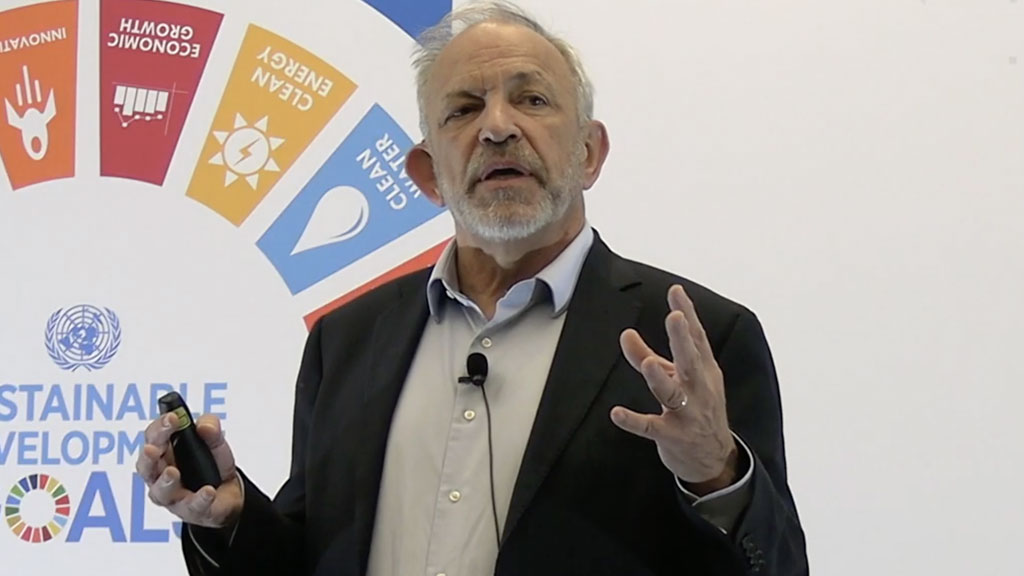
Picture of Ruthe Farmer

Ruthe Farmer

Founder, Last Mile Education Fund