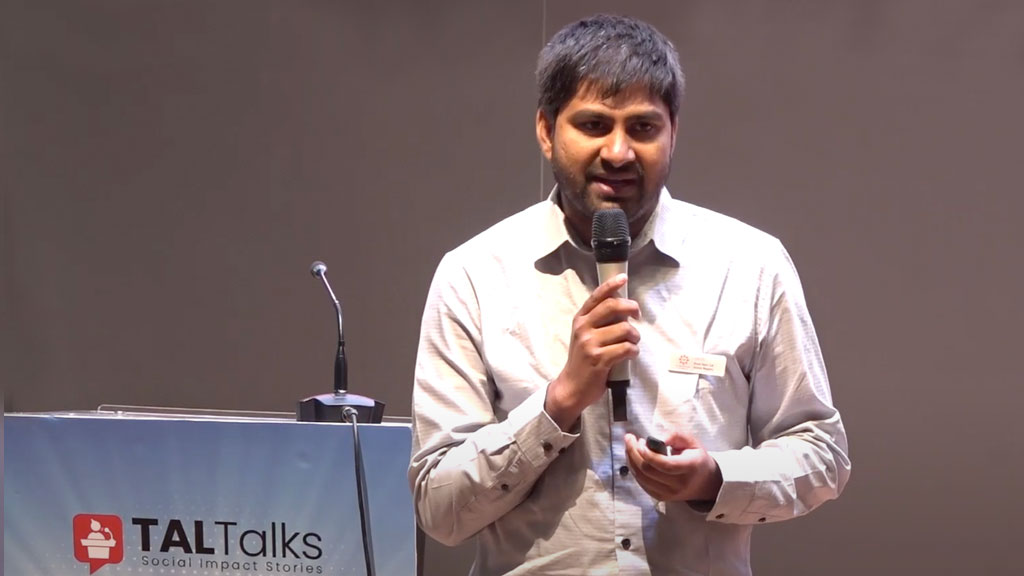
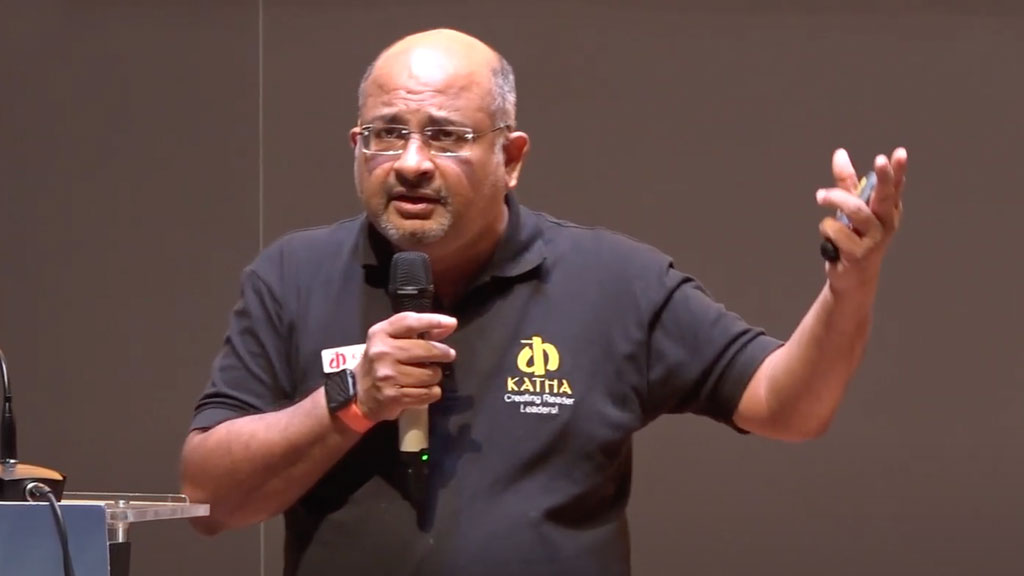
Promoting & Empowering Cultural Entrepreneurs

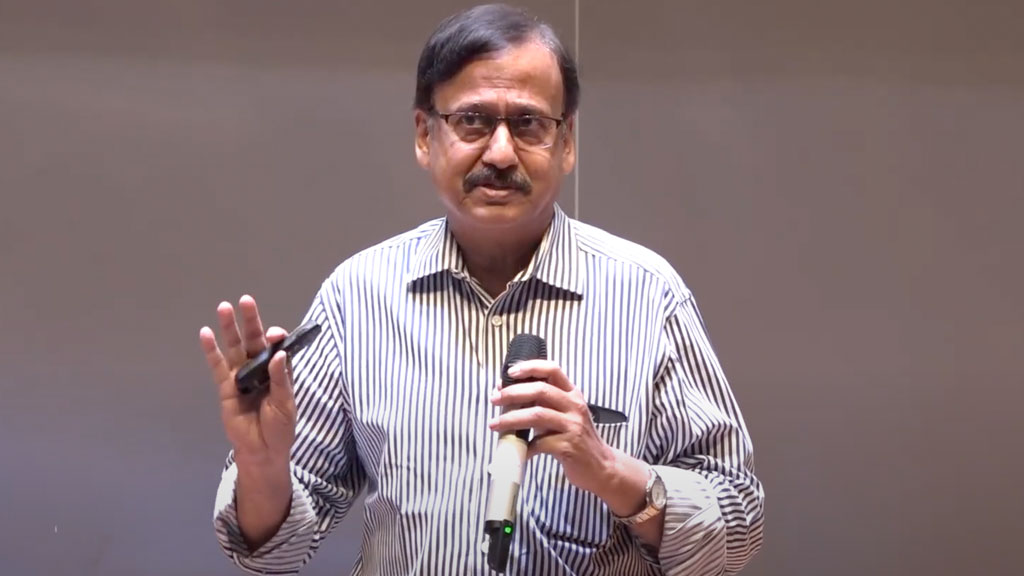
Sanjay Anandaram | 12:49 mins

Summary

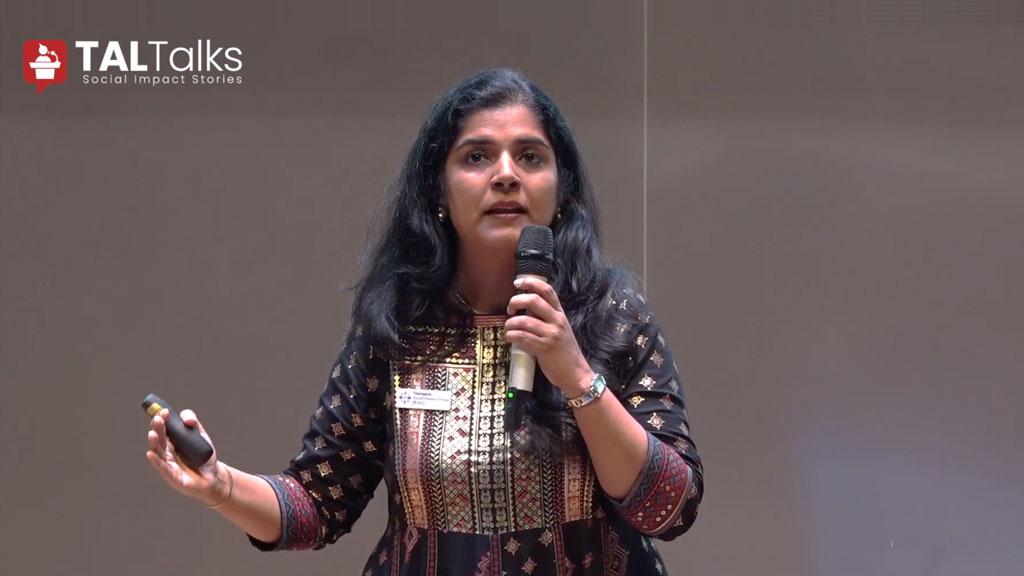
The video highlights the mission of the Network of Indian Cultural Enterprises (NICE) to preserve and strengthen India’s cultural heritage by creating sustainable economic opportunities for artisans and cultural entrepreneurs.


 It emphasizes shifting traditional crafts from low-value commodities to branded, high-value products while promoting “Brand India” at a global level. The content is relevant for entrepreneurs, cultural advocates, and policymakers focused on cultural transformation and livelihood development.


Timeline Summary
  • 00:00 – 02:45: Introduction to the organization and the need to protect cultural heritage.
  • 02:46 – 05:15: Opportunities to generate economic wealth through cultural assets like yoga and handicrafts.
  • 05:16 – 07:00: Lessons from the IT sector on branding and global competitiveness.
  • 07:01 – 09:00: Challenges faced by artisans due to restrictive regulations and market barriers.
  • 09:01 – 11:00: Case examples of innovation in traditional practices and business transformation.
  • 11:01 – 12:46: Community participation, entrepreneurship mentoring, and support for women-led ventures.
 
Key Points
  • Indian cultural heritage must evolve to remain economically sustainable.
  • Branding and innovation are crucial for positioning cultural goods globally.
  • Stronger policy support is required to enable artisan-led growth.
  • Consumers play an important role in uplifting local crafts and businesses.
 
Conclusion

The video underscores the importance of empowering artisans and cultural entrepreneurs to ensure heritage preservation and long-term economic development.


By modernizing traditional practices, embracing branding, and encouraging supportive ecosystems, India can build a resilient cultural economy that benefits future generations.

Summary

The video highlights the mission of the Network of Indian Cultural Enterprises (NICE) to preserve and strengthen India’s cultural heritage by creating sustainable economic opportunities for artisans and cultural entrepreneurs.


 It emphasizes shifting traditional crafts from low-value commodities to branded, high-value products while promoting “Brand India” at a global level. The content is relevant for entrepreneurs, cultural advocates, and policymakers focused on cultural transformation and livelihood development.


Timeline Summary
  • 00:00 – 02:45: Introduction to the organization and the need to protect cultural heritage.
  • 02:46 – 05:15: Opportunities to generate economic wealth through cultural assets like yoga and handicrafts.
  • 05:16 – 07:00: Lessons from the IT sector on branding and global competitiveness.
  • 07:01 – 09:00: Challenges faced by artisans due to restrictive regulations and market barriers.
  • 09:01 – 11:00: Case examples of innovation in traditional practices and business transformation.
  • 11:01 – 12:46: Community participation, entrepreneurship mentoring, and support for women-led ventures.
 
Key Points
  • Indian cultural heritage must evolve to remain economically sustainable.
  • Branding and innovation are crucial for positioning cultural goods globally.
  • Stronger policy support is required to enable artisan-led growth.
  • Consumers play an important role in uplifting local crafts and businesses.
 
Conclusion

The video underscores the importance of empowering artisans and cultural entrepreneurs to ensure heritage preservation and long-term economic development.


By modernizing traditional practices, embracing branding, and encouraging supportive ecosystems, India can build a resilient cultural economy that benefits future generations.
About the Speaker
Picture of Sanjay Anandaram

Sanjay Anandaram

Co-founder |
NICEorg